
Practical use and limits
Use it for: Use watermarking as one input in a provenance workflow that also keeps drafts, source notes, author disclosure, and human review decisions.
Limits: Anthropic describes a likelihood signal with known limits on short, factual, edited, and code-heavy samples. It cannot prove authorship, identify a user, or detect every AI system.
What Anthropic announced
In an August 14, 2026 announcement, Anthropic said future Claude models will generate text containing a watermark. The company says the change is intended to comply with the EU AI Act’s requirements for marking AI-generated content and that it is applying the approach globally at launch. Anthropic also says it will not add visible marks, hidden characters, extra tokens, or identifying information to the output.
How the signal works
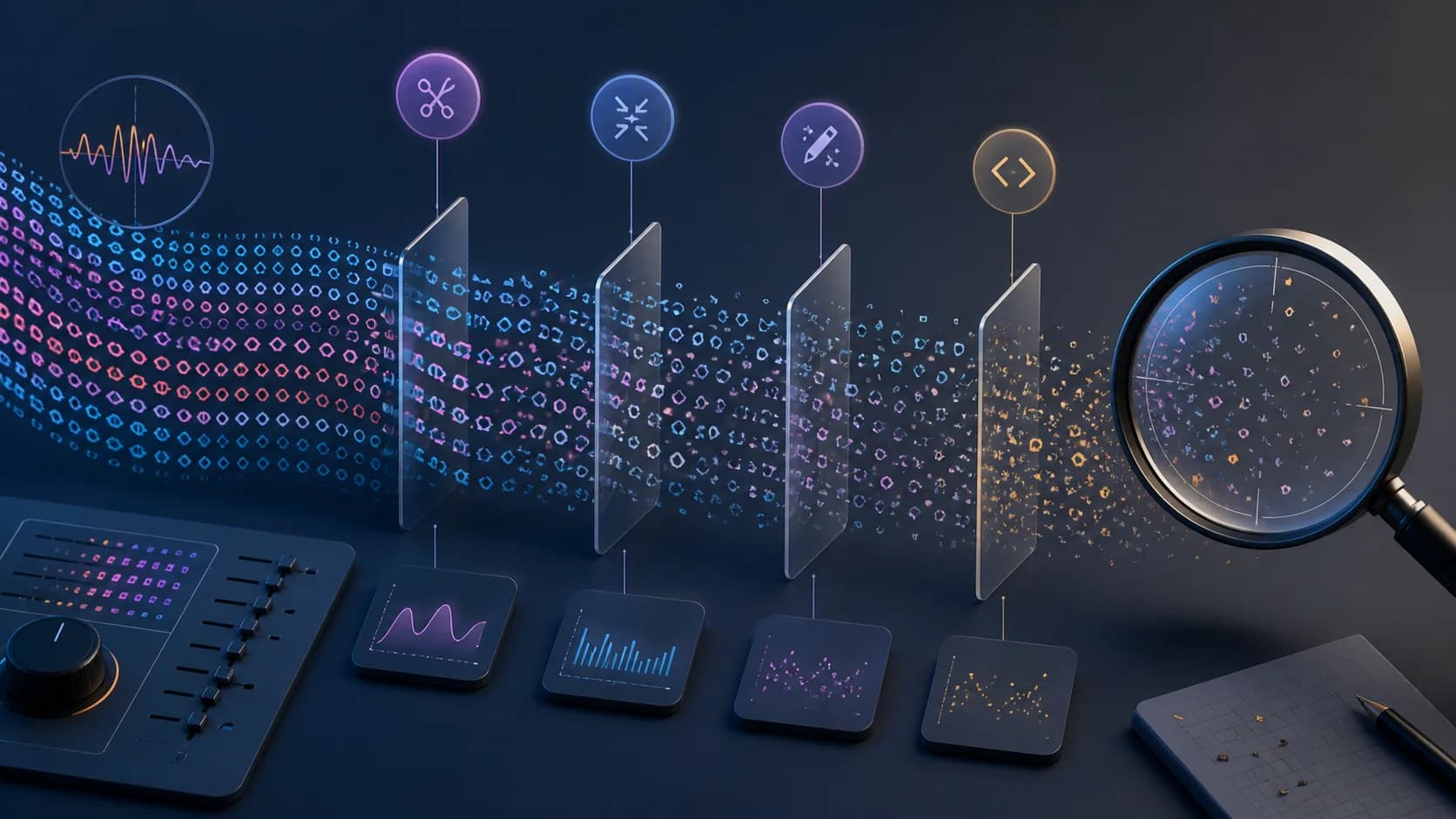
Language models often choose between several words that are similarly sensible. Anthropic says its approach uses a secret key and the preceding words to guide the source of randomness in those low-stakes choices. A detector with the key can then calculate whether a passage is statistically consistent with Claude generation. This is closer to forensic evidence than a label printed on the page: it produces a likelihood, not a visible stamp.
What a detection result proves
Anthropic is explicit about the limit: a watermark can indicate that Claude was likely involved in writing or processing text, but it cannot distinguish original generation from heavy editing. It also cannot prove that a human did not write the passage, identify a person or organization, or tell you that another AI was not involved. A publisher should therefore treat detection as one provenance signal, not as an authorship court.
Why some samples are difficult
The method needs enough flexible word choices to leave a detectable pattern. Anthropic says small samples are less reliable, factual passages contain fewer safe choices, and exact code generally carries less watermarking because changing a token can break the program. Light proofreading of human text may also provide too few Claude-selected words for a strong signal. These limitations make confident claims about short snippets especially risky.
What changes for a real publishing workflow
The best response is better provenance, not a race to fool detectors. Keep drafts, source notes, author edits, model names, and review decisions when the material matters. Ask contributors to disclose meaningful AI assistance, and judge the published work by its evidence, originality, accuracy, and responsibility. A watermark can support that record, but it cannot replace a human editorial process or prove that an article is useful.
The broader policy question
Anthropic’s announcement connects text watermarking with the EU’s transparency rules and with the wider C2PA provenance ecosystem for files. That creates a more useful distinction: marking origin is different from deciding whether content is good, legal, or deceptive. As providers implement different schemes and detectors, organizations should record the provider and method instead of treating the phrase ‘AI detected’ as a universal technical fact.
Frequently asked questions
Can a Claude watermark identify me?
Anthropic says the watermark does not contain identifying information and cannot be traced to a specific person, organization, or chat. It is intended to indicate likely Claude involvement, not user identity.
Can watermarking detect every AI-written article?
No. The described method is specific to Claude’s key and is less reliable on short, factual, code-heavy, or lightly edited samples. It does not detect every other model.